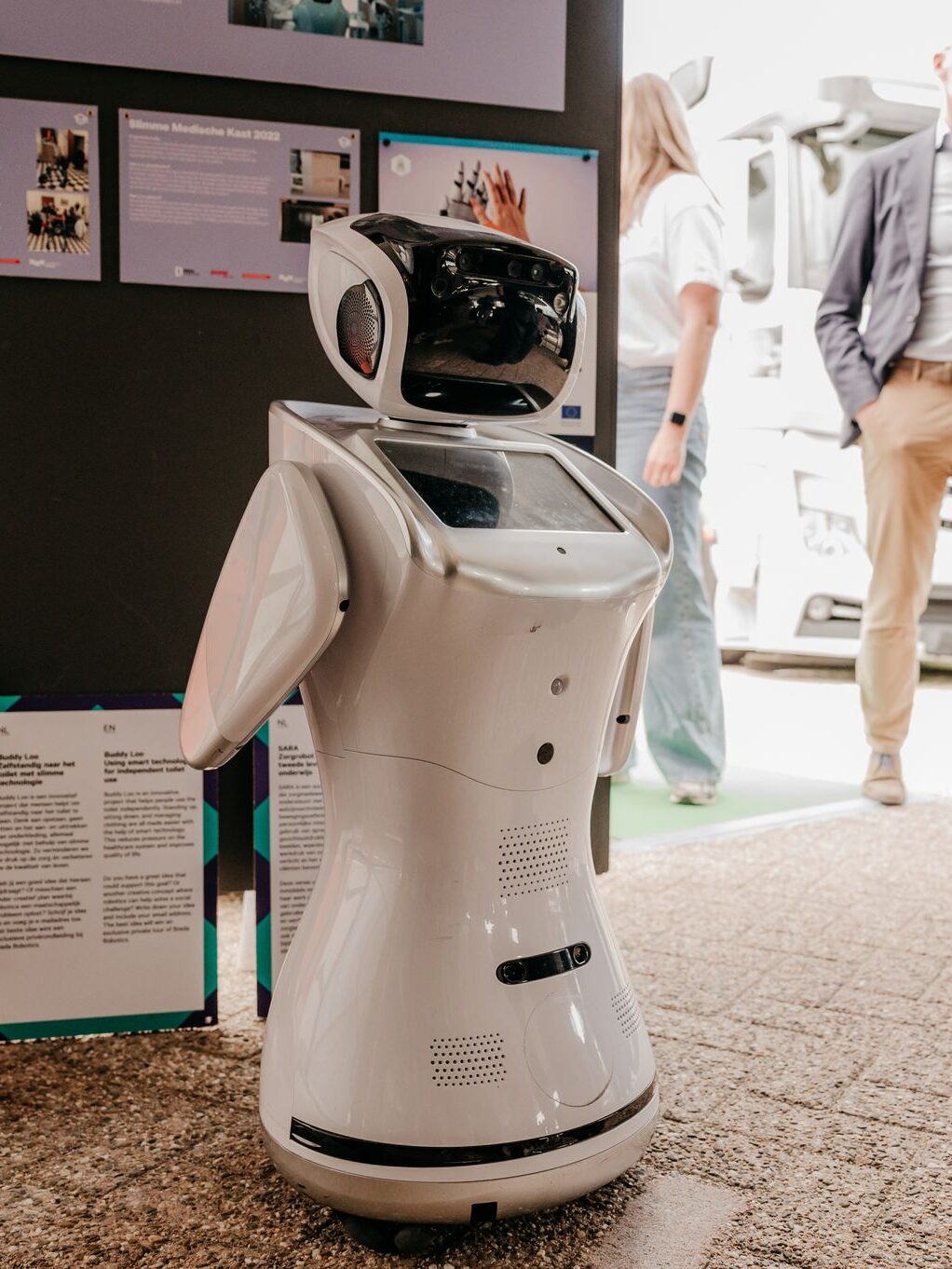
Healthcare in the Netherlands and Flanders is under considerable pressure due to an ageing population, staff shortages, and increasing demand for care. Interreg ZorgRobotica – bridging borders – responds to this by making robotics and AI practically applicable in healthcare, aiming to relieve healthcare professionals, increase efficiency, and offer clients greater independence.
Introduction
In this cross-border Interreg project, healthcare organisations, technology companies, knowledge institutions and field labs from the Netherlands and Flanders are working together intensively. The strength of the project lies in its demand-driven approach: concrete challenges from healthcare practice form the starting point for the development and further development of robotics solutions.
Four practical use cases
Within the project, four innovative applications are being developed and tested in real-life healthcare settings:
- an autonomous wheelchair for improved mobility and reduced physical strain,
- autonomous movement of materials within healthcare facilities,
- a tool for independent toilet transfer for clients living at home,
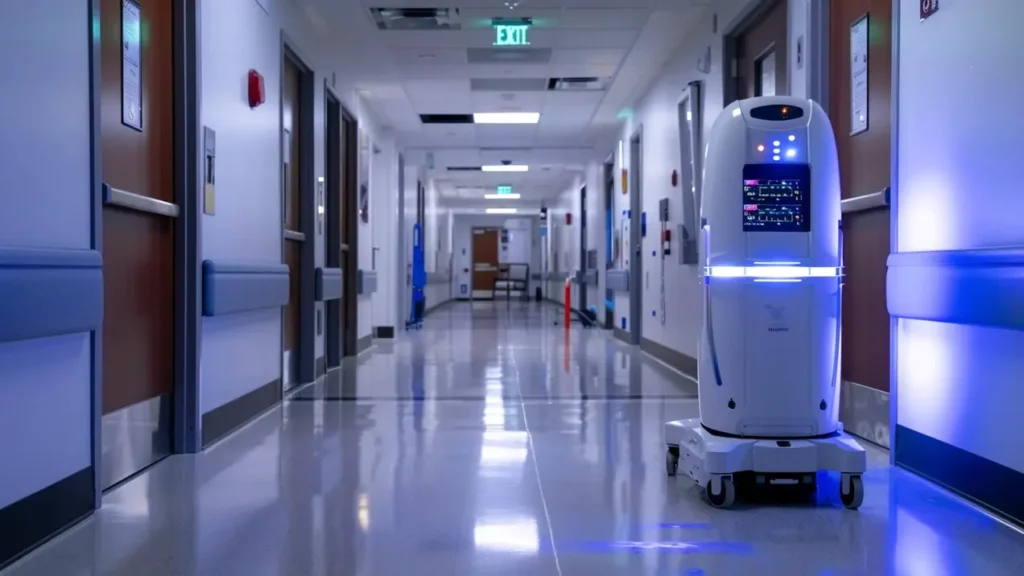
- in robotics for logistics transport within and between hospital sites.
The solutions are designed, tested, and validated together with healthcare professionals and clients, focusing on safety, ease of use, acceptance, and integration into care processes. The technology also grows progressively towards application in daily practice (TRL 4–8).
Cross-border impact
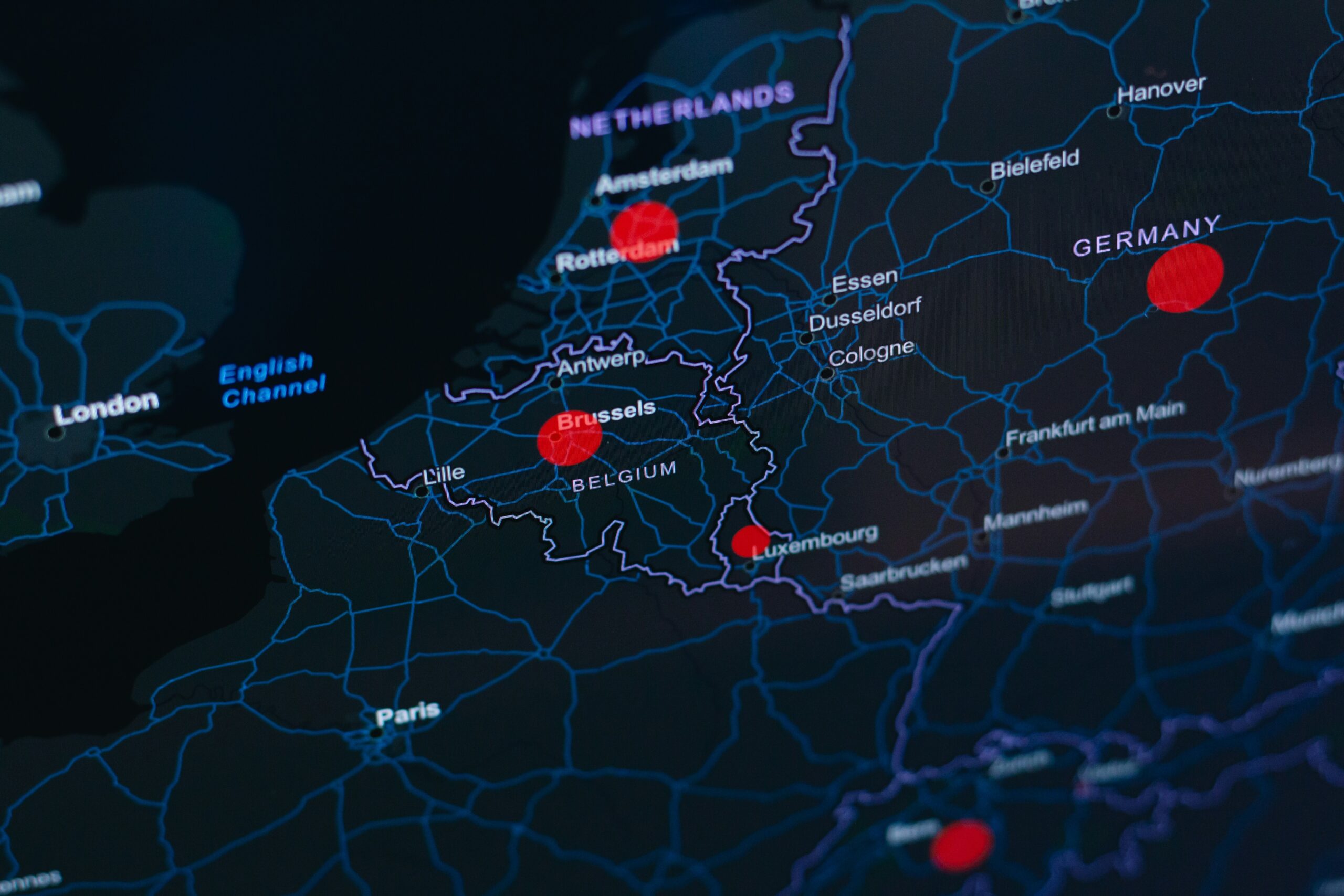
By pooling knowledge, experience, and infrastructure across borders, a strong Flemish-Dutch Care & Robotics network is created. The project not only strengthens innovations in healthcare, but also contributes to sustainable collaboration, knowledge sharing, and scalable solutions for the healthcare of tomorrow.
Project objectives
The Interreg ZorgRobotica – crossing borders project aims to strengthen the innovation and research capacity in the Flemish-Dutch healthcare sector by jointly developing and practically testing demand-driven care robotics solutions.
The objectives are:
- Executing four cross-border care robotics use cases, developed and tested by healthcare organisations, companies and knowledge institutions on both sides of the border.
- Increasing the success rate of innovations through guidance, technical further development, and monitoring towards TRL 7-8.
- Relieving the burden on healthcare professionals and improving care processes, with a focus on efficiency and the independence of clients and informal caregivers.
- Evaluating the developed applications and developing business cases to enable scaling and commercialisation.
- Strengthening the cross-border Care & Robotics ecosystem, with sustainable collaboration after project completion.