
The demand for automation is growing strongly in sectors such as logistics, manufacturing, and healthcare, partly due to persistent labour shortages and increasing process complexity. Interreg CAMoRo responds to this through the development of Collaborative autonomous mobile robots (AMRs), which communicate with each other and coordinate their actions.
In this cross-border project, knowledge institutions, technology companies and network organisations from the Netherlands and Flanders Working together on shared innovation: a platform that enables robots to stop operating in isolation and instead collaborate efficiently within complex environments.
From standalone robots to smart collaboration
Current AMR applications often lack coordination, leading to inefficiency, congestion, and suboptimal deployment. CAMoRo develops a solution for this by:
- to enable real-time communication between robots,
- to support joint decision-making,
- to enable robots to collaborate flexibly in dynamic environments.
Cross-sectoral practice validation
The technology is being validated in realistic applications, including:
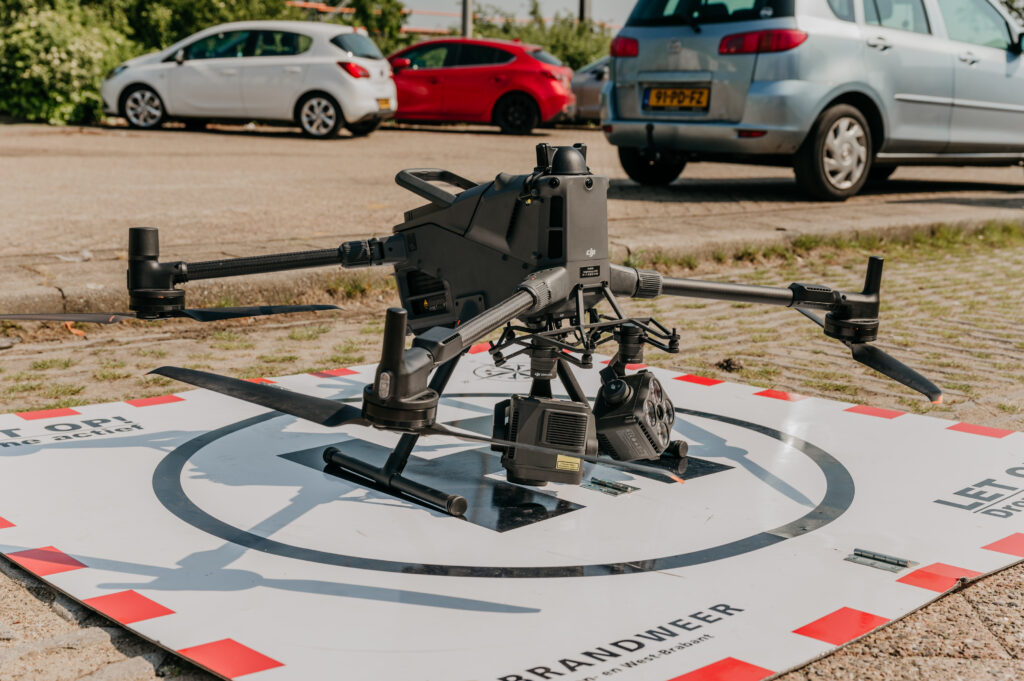
- collaboration between robots and drones,
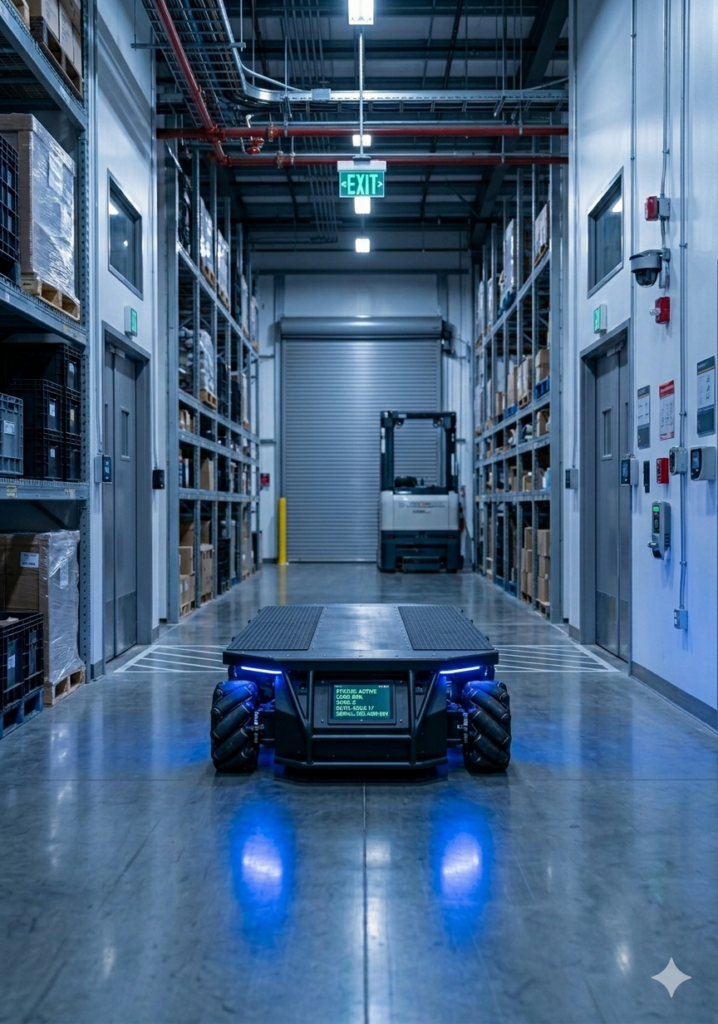
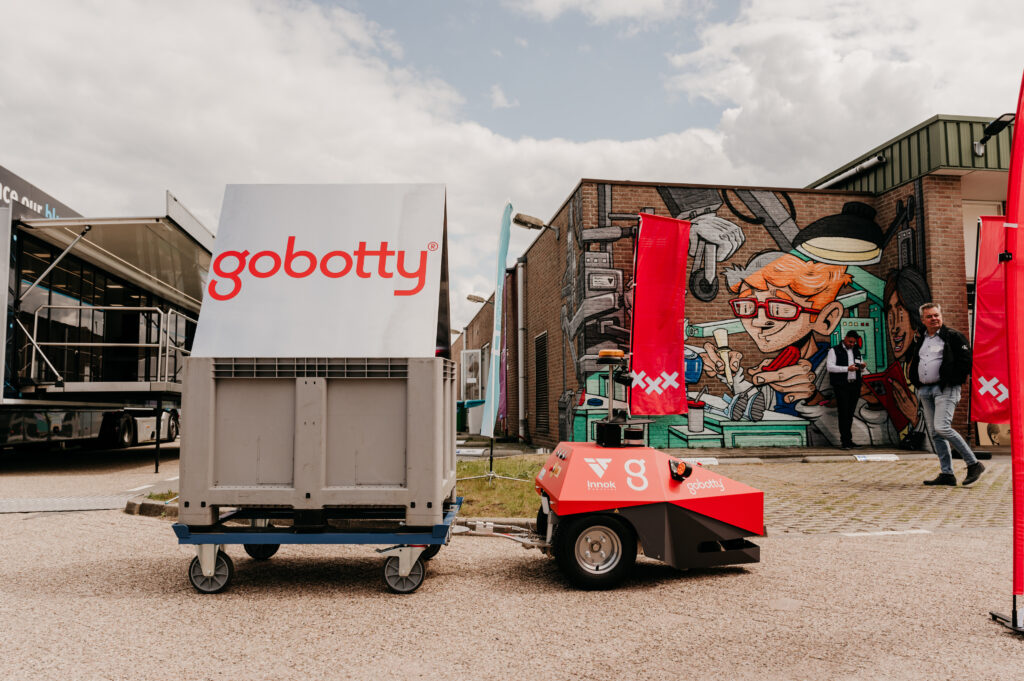
- logistics optimisation in warehouses,
- safe interaction between robots and human operators,
- a commitment in complex care environments
Cross-border impact
By combining expertise in robotics, AI, and communication technology, CAMoRo strengthens the innovative strength of the Flemish-Dutch high-tech sector. The project contributes to:
- higher productivity and efficiency,
- better utilisation of staff,
- accelerating the adoption of robotics within SMEs and industry.
The project Camero The primary objective is to strengthen the innovation and research capacity in the Flemish-Dutch border region by developing and applying Collaborative autonomous mobile robots (AMRs).
The objectives
- Developing a reliable platform for collaborative AMR's, including communication, algorithms, and integration, aimed at scalable robot collaboration
- Improving efficiency and productivity in sectors such as logistics, industry and healthcare through better coordination and task allocation between robots
- Strengthening cross-border R&D and cooperation between knowledge institutions and the business community, with a focus on application by SMEs
- Validating technology in practice-oriented use cases, aimed at broad applicability and adoption across various sectors
- Accelerating market entry and scaling up of robotics innovations through demonstrations, knowledge sharing, and network activation